
Understanding Erection Quality and Male Potency After 40
A comprehensive guide to recognizing changes in erectile function and the lifestyle factors that influence your sexual health
The information on this site is for educational purposes only and does not constitute medical advice. Always consult a qualified healthcare professional before making health decisions.
Recognizing Changes in Your Erections
After age 40 and beyond, many men notice shifts in their erectile function. Understanding these changes is the first step toward addressing them. Here are the most common signs that men experience.
Weaker Erections
Your erections may feel less firm or rigid than they once did. This is one of the most commonly reported changes, affecting your confidence during intimate moments. Weaker erections can be influenced by multiple factors including blood flow, hormonal shifts, and psychological stress.
Unstable Erections
Erections that fluctuate in firmness during sexual activity are increasingly common. You may notice that your erection is strong at one moment and then weakens, which can be frustrating and disrupt intimacy. This inconsistency often relates to nervous system function and circulatory health.
Shorter Erection Duration
Erections may not last as long as they used to, either declining faster during foreplay or not sustaining through intimate activity. Many men in their 40s and beyond report this shift, where maintaining an erection requires more active stimulation than before.
Difficulty Maintaining an Erection
Some men find it harder to sustain an erection throughout sexual activity, especially during longer encounters. This difficulty can stem from reduced blood vessel flexibility, decreased nitric oxide production, or increased anxiety about performance, creating a challenging cycle.
Slower Arousal Response
You may notice that sexual arousal takes longer to develop, requiring more foreplay or stimulation to achieve an erection. This gradual shift is natural but can feel different from your younger years and may affect both you and your partner's experience.
Variable Erection Quality
Erection quality may vary from day to day or even within the same week, making it unpredictable. Factors like stress levels, sleep quality, diet, and overall health create significant fluctuations in erectile function that you may find inconsistent.
What Actually Influences Your Erections
It's not always just about age. While biological changes do occur after 40, your erectile function is influenced by a complex combination of physical, psychological, and lifestyle factors. Understanding these influences helps you make informed decisions about your sexual health.
Research shows that men who maintain healthy blood vessel function, manage stress effectively, sleep well, stay physically active, and eat nutritious diets tend to experience better erectile quality and stability throughout their 40s, 50s, and beyond. The good news is that many of these factors are within your control.
Cardiovascular Health
Your blood vessels must function optimally for adequate blood flow to penile tissue during arousal.
Stress and Anxiety
Chronic stress triggers cortisol release, which can interfere with the nervous signals needed for erections.
Sleep Quality
Poor sleep disrupts hormone production and reduces nitric oxide availability, both critical for erectile function.
Physical Activity
Regular exercise strengthens blood vessel walls and improves circulation throughout your body, including to penile tissue.
Nutritional Intake
Diet directly impacts blood vessel health and the production of key molecules like nitric oxide.
Hormone Balance
Testosterone and other hormones naturally shift with age, but imbalances can be addressed through lifestyle changes.
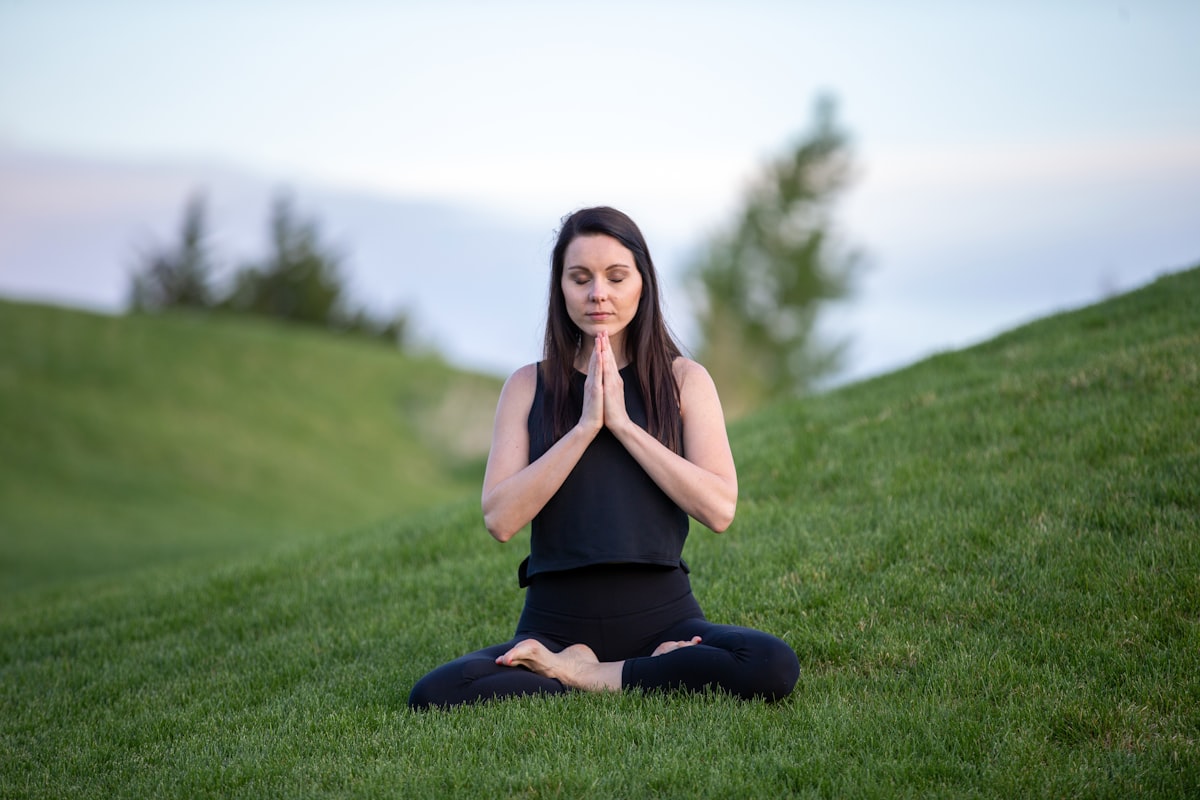
Stress: A Major Factor in Erectile Function
Stress is one of the most underestimated factors affecting male sexual performance. When your body is in a stress state, your nervous system works against the processes needed for healthy erections.
How Stress Disrupts Erections
When you experience psychological or physical stress, your sympathetic nervous system activates—the "fight or flight" response. This triggers the release of adrenaline and cortisol, which constrict blood vessels and redirect blood away from non-essential organs, including your penis. Additionally, stress increases norepinephrine levels, which prevents the smooth muscle relaxation necessary for an erection to occur.
Chronic stress compounds this problem. Over time, elevated cortisol impairs endothelial function—the ability of your blood vessels to dilate properly. It also interferes with nitric oxide production, a molecule essential for triggering the physiological cascade that leads to an erection. Men over 40 are particularly vulnerable because their baseline nitric oxide levels are already declining with age.
Beyond the immediate physical effects, stress creates a psychological feedback loop. Anxiety about erectile performance triggers more stress, which makes erections even harder to achieve, deepening the cycle. Breaking this pattern requires both reducing your stress load and building confidence through understanding the mechanics of your own sexual response.
Nervous System Disruption
The sympathetic nervous system (fight-or-flight) directly opposes the parasympathetic activation needed for erections, making stress an immediate threat to erectile function.
Blood Vessel Constriction
Stress hormones cause vasoconstriction (narrowing of blood vessels), reducing blood flow to the penis during the critical moment when it's needed most.
Endothelial Dysfunction
Chronic stress damages the inner lining of blood vessels, impairing their ability to produce and respond to nitric oxide, essential for erectile response.
Performance Anxiety Cycle
Stress about erectile performance creates more stress, deepening the problem and making it harder to relax enough for normal erectile function to occur.
Key Features of Healthy Erectile Function
Understanding what healthy erectile function looks like helps you recognize areas where you may need to focus. Here are four critical features that define sustainable male sexual potency after 40.
Erection Stability
A healthy erection remains consistent in firmness throughout sexual activity. It doesn't waver or soften unexpectedly unless you choose to stop stimulation. Stability is achieved through reliable blood vessel function and consistent nervous system signaling.
What to aim for: An erection that maintains firmness for the duration of sexual activity without fluctuation.
Key factor: Good cardiovascular health and consistent blood flow to penile tissue.
Sustained Duration
Your erection should last long enough for satisfying sexual activity. For most men over 40, this means maintaining an erection for 15-30 minutes or longer during intimate encounters. Duration depends on overall health, stress levels, and how well your vascular system functions.
What to aim for: An erection that persists for the entire duration you need without requiring constant stimulation.
Key factor: Adequate sleep, stress management, and cardiovascular conditioning.
Quick Response to Arousal
While slower arousal is normal after 40, your erectile response should still be reasonably quick when mentally and physically stimulated. A healthy response means your nervous system and vascular system are communicating effectively and responding to arousal signals efficiently.
What to aim for: An erection that develops within 2-5 minutes of appropriate stimulation.
Key factor: Psychological comfort, reduced anxiety, and good overall circulation.
Adequate Firmness
Your erection should be firm enough for penetrative sexual activity. Many men over 40 report that their erections are less rigid than in their younger years, but adequate firmness remains achievable through lifestyle management and stress reduction. Firmness reflects the quality of blood vessel dilation and the integrity of your erectile tissue.
What to aim for: An erection that allows for satisfying sexual activity without difficulty.
Key factor: Nitric oxide production, penile blood flow capacity, and hormonal balance.
Impact of Stress Management on Erectile Function
High Stress Scenario
Erection Quality
Weaker, less firm erections; difficulty achieving full rigidity
Stability During Activity
Frequent fluctuations; erection may soften unpredictably during intimacy
Duration
Shorter lasting erections; difficulty maintaining through entire encounter
Arousal Response
Delayed or inconsistent response to sexual stimulation; requires more time
Psychological Impact
Increased anxiety, performance pressure, and avoidance of intimacy
Sleep Quality
Poor sleep from stress compounds the problem further
Low Stress Scenario
Erection Quality
Firmer, more reliable erections; improved rigidity and confidence
Stability During Activity
Consistent firmness throughout; erection remains stable with adequate stimulation
Duration
Longer lasting erections; sufficient for satisfying sexual encounters
Arousal Response
Quick, reliable response to sexual stimulation; improved predictability
Psychological Impact
Reduced anxiety, increased confidence, greater enjoyment of intimacy
Sleep Quality
Better sleep strengthens all body systems supporting sexual function
Key Lifestyle Features That Support Erectile Function
Healthy erections after 40 depend on multiple interconnected lifestyle factors. Here are the essential features you should focus on to support your sexual potency.
Cardiovascular Health
Your circulatory system is fundamental to erectile function. Blood vessels must be flexible and capable of dilating to allow increased blood flow to penile tissue. Regular aerobic exercise, aerobic exercise, a heart-healthy diet rich in antioxidants, and stress management all support cardiovascular function and erectile health.
- 30 minutes of cardio, 5 days/week
- Foods high in nitrates (beets, spinach)
- Regular blood pressure monitoring
Mental & Emotional Wellness
Psychological factors including stress, anxiety, depression, and relationship dynamics significantly impact sexual function. Mindfulness, therapy, open communication with partners, and stress-reduction techniques create the mental environment needed for healthy arousal and performance.
- Daily meditation or breathing exercises
- Professional counseling when needed
- Partner communication and intimacy
Nutrition & Supplementation
Specific nutrients support vascular health and hormonal balance. L-arginine, zinc, vitamin D, and antioxidants improve blood flow and testosterone levels. A whole-foods diet emphasizing lean proteins, vegetables, and healthy fats forms the nutritional foundation for sexual wellness.
- Key nutrients: L-arginine, zinc, vitamin D
- Antioxidant-rich foods (berries, dark leafy greens)
- Hydration and limited alcohol consumption
Exercise & Physical Activity
Strength training builds confidence and testosterone, while flexibility work improves stamina and comfort. Pelvic floor exercises (Kegels) directly strengthen muscles involved in sexual function, enhancing control and sensation for both partners.
- Strength training 3x per week
- Daily pelvic floor (Kegel) exercises
- Flexibility and mobility work
Sleep & Recovery
Quality sleep is when the body regulates hormones, including testosterone. Sleep deprivation impairs sexual function and increases stress hormones. Consistent sleep schedules, dark sleeping environments, and limiting screen time before bed support restorative rest.
- 7-9 hours nightly
- Consistent bedtime routine
- Dark, cool sleeping environment
Success Stories
Real men, real results. Hear from those who've transformed their sexual health with Risepath.
"Within 3 weeks, I noticed a real difference in my confidence and performance. The holistic approach made all the difference. I'm sleeping better, exercising more, and my relationship has never been stronger."
Michael T.
Age 42
"I was skeptical about a natural approach, but the science behind Risepath is solid. Combined with better diet and exercise, I feel like a new man. My partner noticed the difference immediately."
James L.
Age 38
"After years of frustration, Risepath gave me my life back. The comprehensive program addresses everything—body, mind, and spirit. I'm 6 months in and still seeing improvements."
David R.
Age 45